Experienced Mississauga Tile Installation Services for Beautiful Finishes
Experienced Tile Fitting: Refresh Your Floors With Style and Durability
Skilled tile installation delivers a distinctive combination of design and durability for contemporary interiors. Expert craftspeople bring exactness to every project, ensuring that every tile is correctly positioned. This not only enhances the aesthetic appeal but also contributes to the long-term functionality of the space. As homeowners weigh their options, grasping the intricacies of tile choice and installation becomes vital. What factors should one focus on to accomplish the desired outcome?
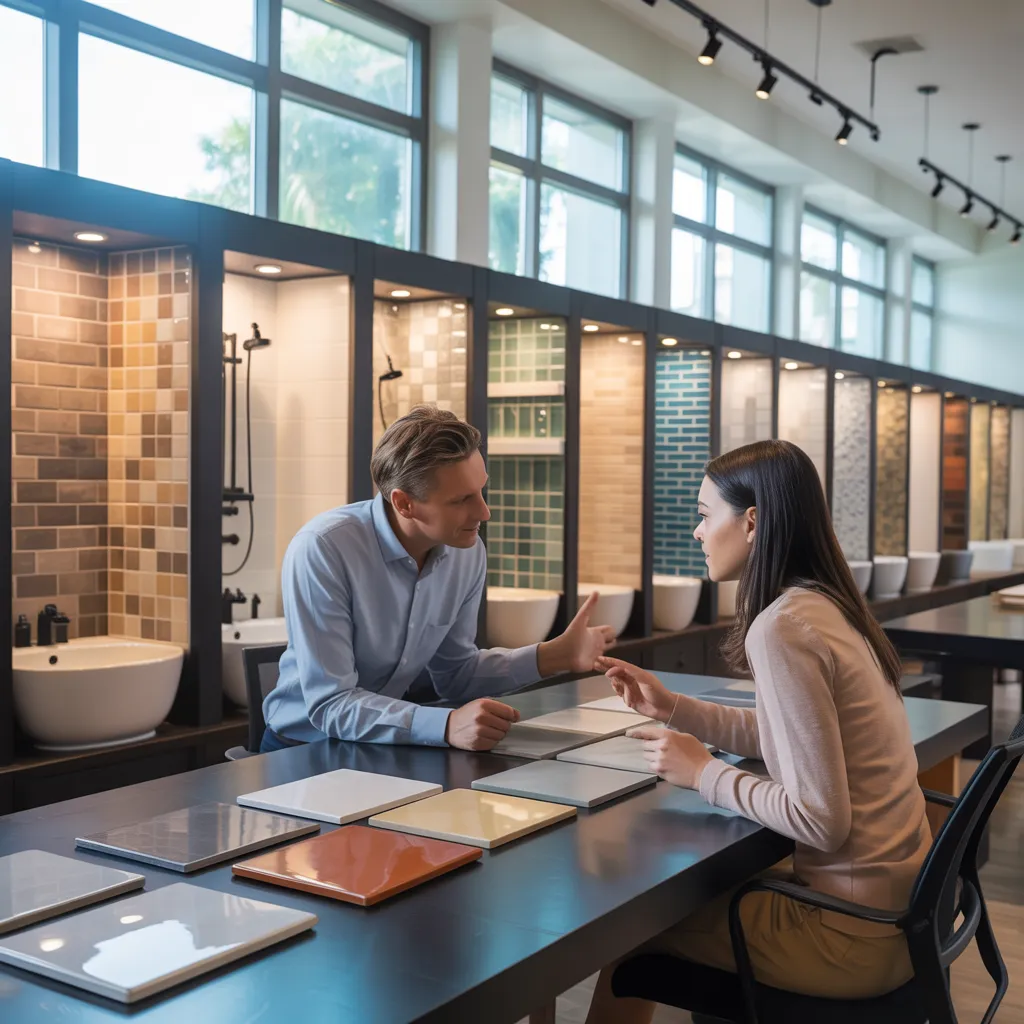
The Benefits of Professional Tile Placement
Selecting expert tile installation improves both the visual and practical dimensions of a space. Skilled installers bring expertise that ensures precise measurements, proper positioning, and effective design planning, which reduces the risk of errors that can compromise the overall look. Utilizing advanced methods and equipment, professionals can produce perfect surfaces that enhance the aesthetic quality of any room.
Additionally, professional installation often produces increased durability. Experienced installers grasp the intricacies of different tile materials, guaranteeing that the appropriate adhesive compounds and joint fillers are used for maximum longevity. This attention to detail prevents common issues such as splintering or water seepage.
In addition, retaining professionals can conserve time and tension. They coordinate all the work, allowing homeowners to focus on other aspects of their projects. Overall, qualified tile installation not only reimagines interiors additional info but also provides lasting value and peace of mind.
Top Installation Methods for Durable Tile
To successfully install durable tiles, a mastery of essential techniques is required. Firstly, proper surface preparation is crucial; the substrate must be clean, dry, and level to assure optimal adhesion. Secondly, choosing the right thin-set mortar is necessary because it impacts both bond strength and the longevity of the tiles. A notched trowel should be employed to spread the mortar evenly, allowing for better tile contact.
Moreover, using spacers preserves consistent grout lines, while confirming that tiles are pressed firmly into the mortar prevents air pockets. For large spaces, a wet saw is recommended for precise cuts, while smaller, intricate patterns may benefit from manual tile nippers. Finally, allowing sufficient drying time before grouting is essential to achieving a strong bond. By implementing these techniques, the longevity and visual beauty of tile installations can be significantly improved.
Prevent These Typical DIY Tile Installation Errors
When starting a DIY tile job, many people overlook important procedures that can cause costly errors. Neglecting surface preparation and misaligning tiles are two common mistakes that can undermine the final appearance and quality of the finished project. Resolving these matters early can save time and frustration in the long run.
Bypassing Surface Preparation
Neglecting surface preparation is a frequent mistake in DIY tile installation that can lead to disastrous results. Proper surface preparation guarantees a level, clean, and dry substrate, which is essential for tile adhesion and longevity. Failure to address imperfections, such as cracks or unevenness, may cause tiles to break or detach over time. Additionally, inadequate cleaning can result in dust and debris affecting the adhesive bond. Moisture issues, if overlooked, can lead to mold growth beneath the tiles, compromising both appearance and health. Ultimately, thorough surface preparation not only enhances the visual appeal of the installation but also guarantees durability, reducing the likelihood of costly repairs in the future. Avoiding this step is a mistake that can jeopardize the entire project.
Misaligned Tile Placement
Preparing the surface creates the basis for a successful tile installation, yet even a well-prepared substrate may fall victim to incorrect tile alignment. This common mistake can cause uneven surfaces, unsightly gaps, and ultimately, a compromised aesthetic. Proper alignment is vital; tiles need to be laid in straight lines and consistent patterns to ensure visual appeal and structural integrity. DIY enthusiasts often fail to recognize the importance of using spacers, which assist in maintaining uniform gaps for grout and stop shifting. Additionally, neglecting to establish a reference line can lead to a cascading effect of misalignment. To achieve professional results, measuring meticulously and making adjustments as required throughout the installation process is essential. These practices will improve both the beauty and longevity of the tiled surface.
What Method Should You Follow to Choose the Ideal Tile Design for Your Home?
How can one choose the perfect tile style to elevate their home's aesthetic? First, think about the primary style of the space. Whether contemporary, rustic, or traditional, the tile should complement existing decor. Next, evaluate the scale and size of the area. Larger tiles can create an illusion of space, while smaller tiles might be ideal for intricate designs in smaller rooms.
Color functions as a essential component; neutral shades supply adaptability, while bold colors can express a statement. Texture similarly, should not be forgotten. Glossy tiles can bounce back light, making a room seem brighter, while matte finishes deliver a more subdued appearance.
In conclusion, focus on usability. Tiles in high-traffic areas demand durability, while those in wet spaces need grip. By carefully assessing these factors, one can select a tile style that not only enhances beauty but also satisfies functional demands.
Tile Maintenance Tips for Longevity
Quality tile upkeep is imperative for sustaining longevity and maintaining appearance. Consistent cleaning methods, sealing grout, and controlling temperature and humidity are critical elements of a thorough care routine. By addressing these factors, one can greatly extend the life of tile installations.
Normal Cleaning Techniques
Maintaining the appearance and durability of tile floors requires consistent cleaning routines that prevent dirt buildup and damage. Frequent sweeping or vacuuming is essential to remove loose debris, while damp mopping with a pH-neutral cleaner helps eliminate grime without harming the tile’s finish. It is advisable to avoid abrasive scrubbers, as they can scratch the surface. For tougher stains, a mixture of baking soda and water can provide a gentle yet effective solution. Additionally, ensuring that spills are promptly wiped up can prevent stains from setting. Implementing these cleaning methods not only enhances the visual appeal of tile floors but also greatly extends their lifespan, ensuring that they continue to look pristine for years to come.
The Significance of Sealing Grout
Consistent maintenance habits form the base for effective tile upkeep, yet grout sealing is equally important for maintaining the structural integrity of tile installations. Grout, typically absorbent, can absorb water, dirt, and stains, leading to discoloration and deterioration as time passes. Through applying a high-quality grout sealer, property owners can create a defensive barrier that repels water and stops staining, enhancing both look and durability. Sealing grout also minimizes the growth of mold and mildew, contributing to a healthier indoor atmosphere. It is generally suggested to seal grout every one to three years, based on usage and contact with moisture. Ongoing grout sealing not only protects the aesthetic appeal of tile surfaces but also ensures sustained durability for years to come.
Temperature and Humidity Management
Controlling temperature and humidity is critical for increasing the lifespan of tile installations. Fluctuations in temperature can cause tiles to grow and shrink, leading to cracks or loosening over time. Maintaining a stable indoor climate, ideally between 60°F and 80°F, helps reduce these risks. Additionally, humidity levels should be kept between 30% to 50%. Excess moisture can lead to mold growth or damage to grout, while overly dry conditions may cause tiles to become brittle. Homeowners should consider using dehumidifiers in humid climates and humidifiers during dry seasons. Regular observation of these environmental factors guarantees that tile surfaces remain in prime condition, boosting both durability and aesthetic appeal. Implementing these strategies promotes durable beauty and functionality in tile installations.
Discovering a Reputable Tile Installation Technician
What is the best way to ensure that you hire a dependable tile installation expert? First, extensive research is necessary. Potential clients should obtain referrals from friends, family, or online testimonials to discover well-regarded professionals. Verifying qualifications, such as licensing and insurance, guarantees that the expert adheres to industry standards and is insured for any possible issues during installation.
In addition, asking for a portfolio of previous work enables customers to assess the style and quality of the professional's craftsmanship. It is also wise to acquire multiple quotes, as this provides understanding of pricing and the expert's communication style. Engaging in a detailed consultation helps explain expectations and timelines. Finally, a reliable professional should offer guarantees for their services, demonstrating confidence in their service. By adhering to these guidelines, people can make informed decisions and secure an experienced tile installation specialist who aligns with their project requirements.
Frequently Asked Questions
What Styles of Tile Options Are Optimal for Outside Applications?
Porcelain and natural stone tiles function effectively for exterior uses because of their resilience and protection against climate factors. Additionally, patterned finishes ensure superior grip, improving safety in moisture-laden settings while maintaining aesthetic appeal.
How Much Time Does Expert Tile Installation Generally Need?
Skilled tile installation work generally takes one to three days, based on the project's size and complexity. Variables such as surface prep and type of tile can significantly shape the overall duration of the job.
Is Tile Installation Over Existing Flooring Possible?
Yes, stone tile can be mounted over pre-existing floors, assuming the surface is flat, spotless, and solid in structure. This method can conserve time and resources, but thorough evaluation and preparation are essential for a positive result.
What Implements Is Necessary for Expert Tile Setting?
Professional tile installation requires equipment such as a tile cutter, trowel, level, measuring tape, grout float, spacers, and a mixing paddle. Proper equipment certifies accuracy and effectiveness, achieving a high-quality finished floor.
What Environmentally Responsible Tile Options Are Accessible?
Yes, there are green tile alternatives accessible, encompassing recycled ceramic, natural stone, and sustainably sourced materials. These options minimize environmental impact while ensuring visual charm and resilience for various flooring needs.